
In the demanding world of industrial manupressure vessels serve as the backbone for sectors ranging from oistainless steel forgings play a pivotal role.
For engineers and procurement managers, unders
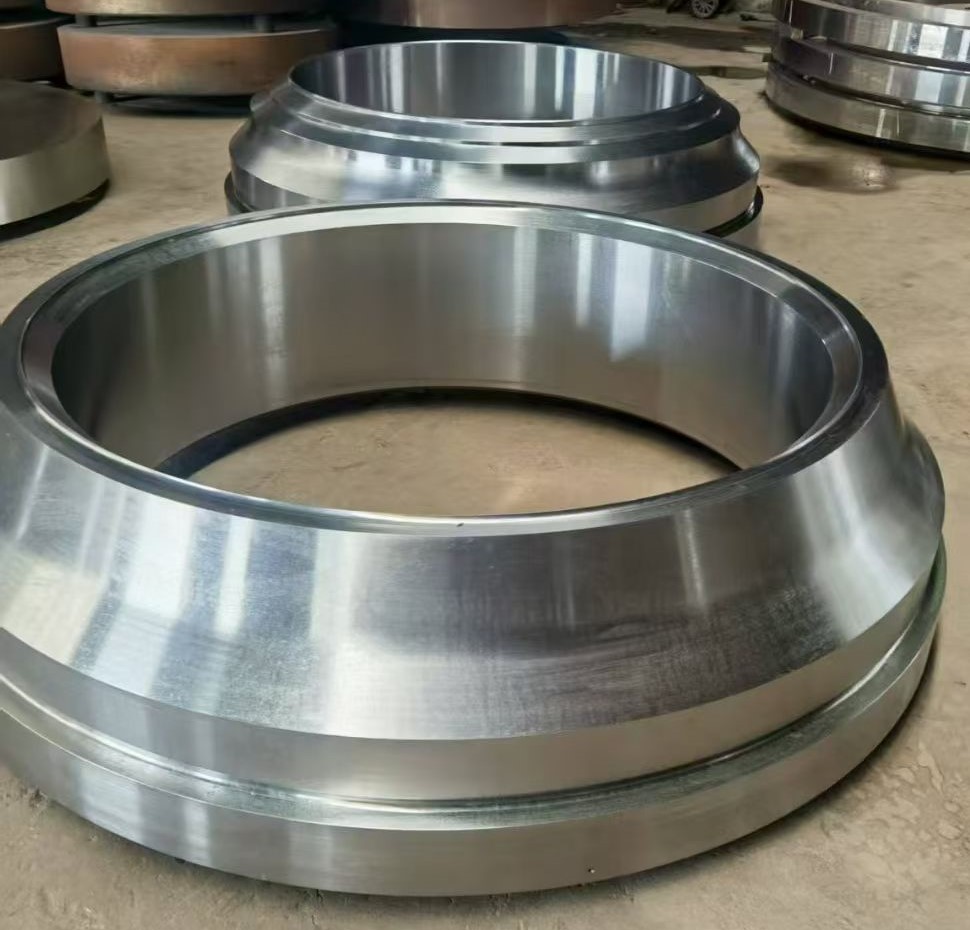
Why Choose Stainless Steel Forgings f
Pressure vessels are often rforging offers inherent advantages that other met
1. Superior Structural Inte
Unlike castings, which may contain hidden porositgrain flow that follows the shap
2. Enhanced Corrosion Resistance
Pressure vessels often store aggressive acids, alkalis, or
Key Applications in Pressure V
While the shell of a vessel is typicallstainless steel forgings.
Flanges are the most common forged components.
- Common Types: Weld Nec
- Function: Connecting
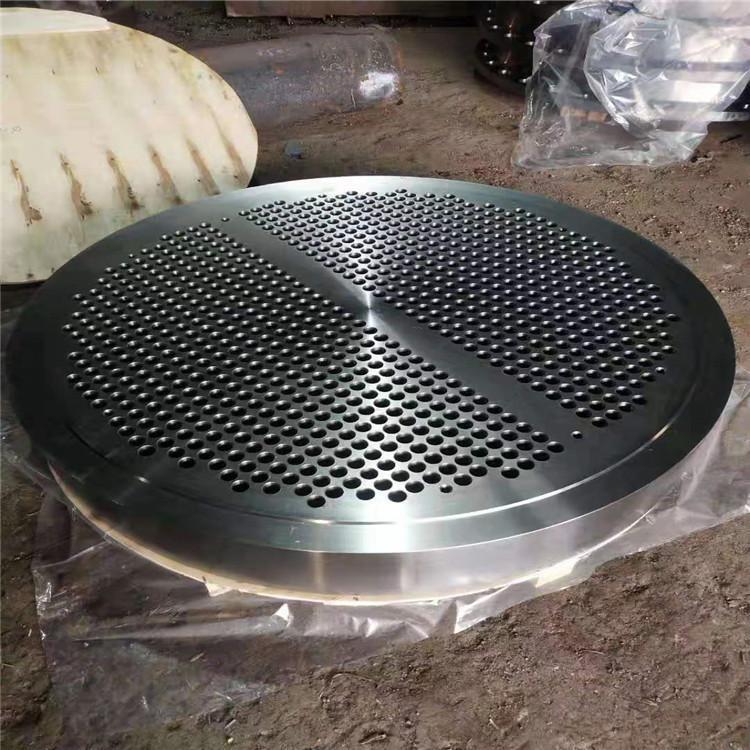
Tube Sheets for Heat Exchangers
- Materials: Often forged from Duplex 2
Self-Reinforced Nozzles
When a hole is cut into a vessASME Boiler and Pressure Vessel Code (BPVC) requirements
Material Selection: Choosing the Right Grade
- 304/304L Stainless Steel: The industry standard. Excellent for general corrosive en
- 316/316L Stainless Steel: Contains Molybdenum. It is the go-to material for marine environments and chemical processing where pitting corrosion is a concern.
- Duplex Stainless Steel (UNS S31803 / S32205): Offers twice the yield strength of austen
Ensuring Quality in Manufacturing
- Heat Treatment: Proper solution annealing to maximize corrosion resistance.
- NDT Testing: Ultra
- Certification: Material Test Reports (MTR) according to EN 10204 3.1 standards.
Stainless steel forgings provide the reliabilit