
Before a gear can drive a wind turbine or power a heavy excavator, it starts its life as a gear blank. The quality of this initial blank dictates the strength, durability, and machinability of the final gear.
For procurement managers and engineers, understanding the gear blank manufacturing process is essential for ensuring supply chain quality. In this guide, we break down the critical steps of transforming raw steel into a high-performance forged gear blank ready for tooth cutting.
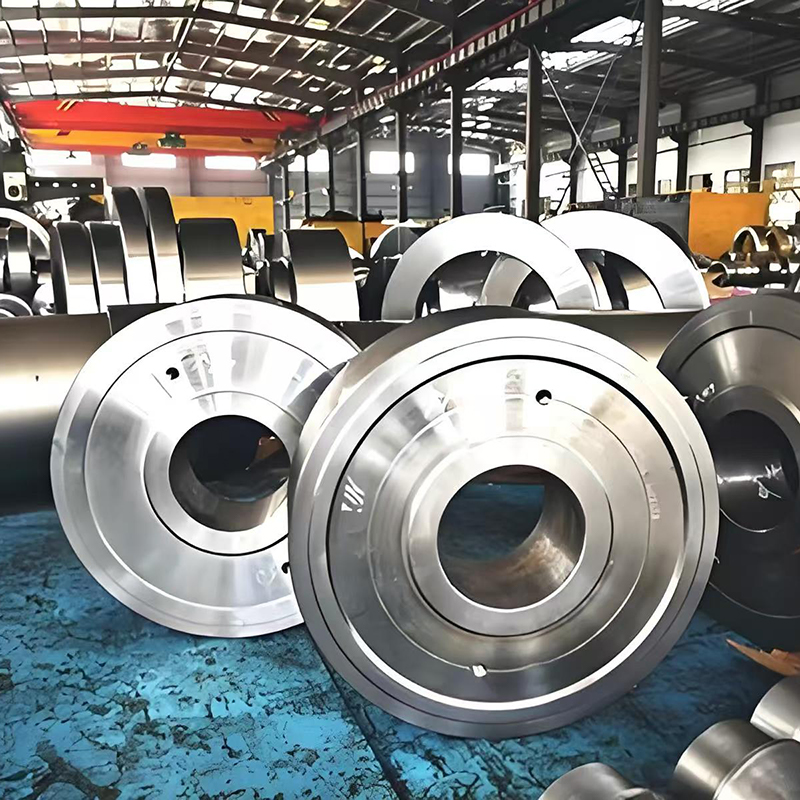
Why the Manufacturing Process Matters
A gear blank is not just a chunk of metal. It is the foundation of the gear. A flawed manufacturing process can lead to:
- Poor Machinability: Causing damage to expensive hobbing cutters.
- Internal Defects: Cracks or porosity that appear only after final grinding.
- Distortion: Warping during final heat treatment.
Therefore, we strictly follow a controlled forging and processing route.
Step 1: Material Selection and Cutting
The gear blank manufacturing process begins with high-quality steel.
- Material Inspection: We source verified steel bars (e.g., 18CrNiMo7-6, 42CrMo4, or 20CrMnTi) from top mills. Chemical composition is verified before use.
- Sawing: The long steel bars are cut into precise lengths (billets) based on the weight required for the specific gear blank. Precision sawing ensures minimal material waste.
Step 2: Heating and Forging
This is the most critical stage. Unlike casting, forging aligns the metal’s grain structure.
- Heating: The billet is heated in a furnace to approximately 1150°C – 1200°C to make it malleable.
- Upsetting & Piercing: The hot billet is compressed (upset) on a hydraulic press to increase its diameter and then punched (pierced) to create a center hole.
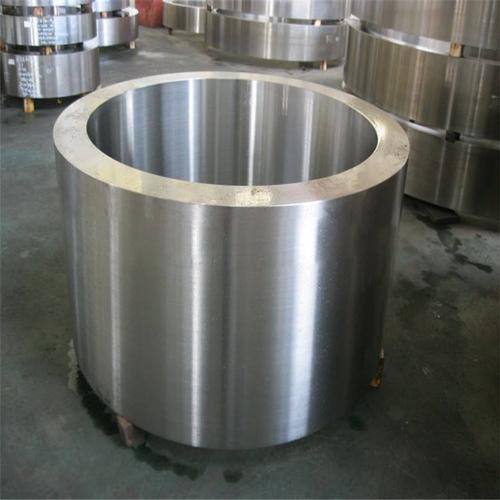
- Ring Rolling (For Larger Blanks): For large gear blanks (like ring gears), the pierced billet is transferred to a Ring Rolling Machine. The machine applies pressure to expand the ring’s diameter while reducing wall thickness.
- Benefit: This creates a seamless circumferential grain flow, vastly superior to welded rings.
Step 3: Preliminary Heat Treatment (Normalizing/Annealing)
A raw forged blank is often too hard or has an uneven structure, making it difficult to machine.
- The Process: The blanks are placed in a heat treatment furnace for Normalizing or Isothermal Annealing.
- The Goal: To refine the grain size, eliminate forging stress, and create a uniform hardness (typically 160-200 HB). This step is crucial for ensuring the subsequent gear cutting tools run smoothly and last longer.
Step 4: Rough Machining (Turning)
Once cooled and treated, the blank enters the machining workshop.
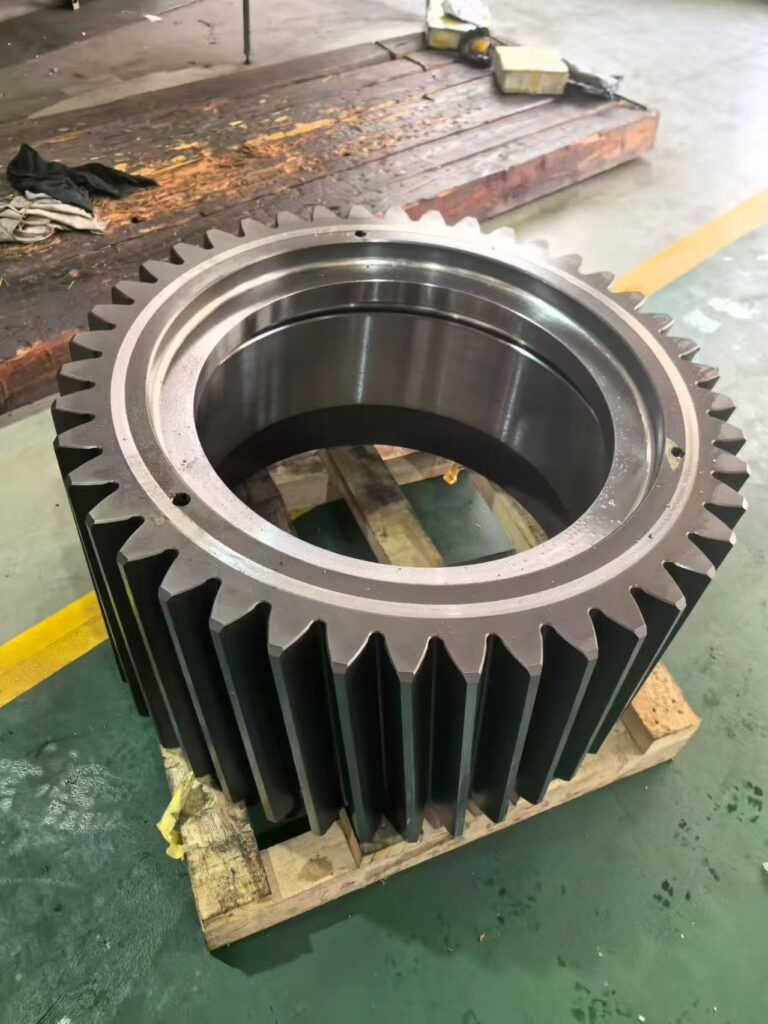
- CNC Turning: The oxide scale (black skin) is removed. The outer diameter, inner diameter, and face width are machined to “near-net” dimensions, leaving just enough allowance for the final gear hobbing and grinding.
- UT Testing Prep: A smooth surface is necessary for ultrasonic testing probes to make good contact.
Step 5: Quality Control (NDT)
No gear blank leaves the factory without testing.
- Ultrasonic Testing (UT): To detect internal voids or cracks.
- Dimensional Check: Verifying tolerances.
- Hardness Check: Ensuring the heat treatment was successful.
Conclusion
The gear blank manufacturing process is a blend of brute force (forging) and precise science (heat treatment). By controlling every step from the raw billet to the turned blank, we ensure that the final gears perform reliably under the toughest conditions.
Looking for a supplier who understands the intricacies of gear blank production? Contact our team today for a quote on your custom specifications.
The Ultimate Guide to Forged Gear Materials for Heavy Industry
In heavy industrial applications—such as wind turbine gearboxes, mining excavators, and marine propulsion systems—gears are…
Custom Open Die Forging: The Ultimate Solution for Heavy Industrial Components
In the world of heavy manufacturing, off-the-shelf components rarely meet the rigorous demands of critical…
Seamless Rolled Ring Forging: The Ultimate Guide to Heavy Industrial Rings
In sectors like wind energy, aerospace, and heavy mining, component failure is catastrophic. When engineers…
Titanium Forging Temperature Guide: Controlling Heat for Large Rings & Open Die Components
In the manufacturing of high-performance components, titanium is unforgiving.[1][2] Unlike steel, which allows for a relatively wide…
The Gear Forging Process: Manufacturing Large Rings and Heavy Duty Blanks
Introduction:In the realm of heavy industry—whether it’s the main gearbox of a wind turbine or…
The Titanium Forging Process: A Complete Guide to High-Performance Components
Introduction:In industries where failure is not an option—such as aerospace, medical implants, and subsea oil…